


What Is GLP-3? The Next Generation of Metabolic Research

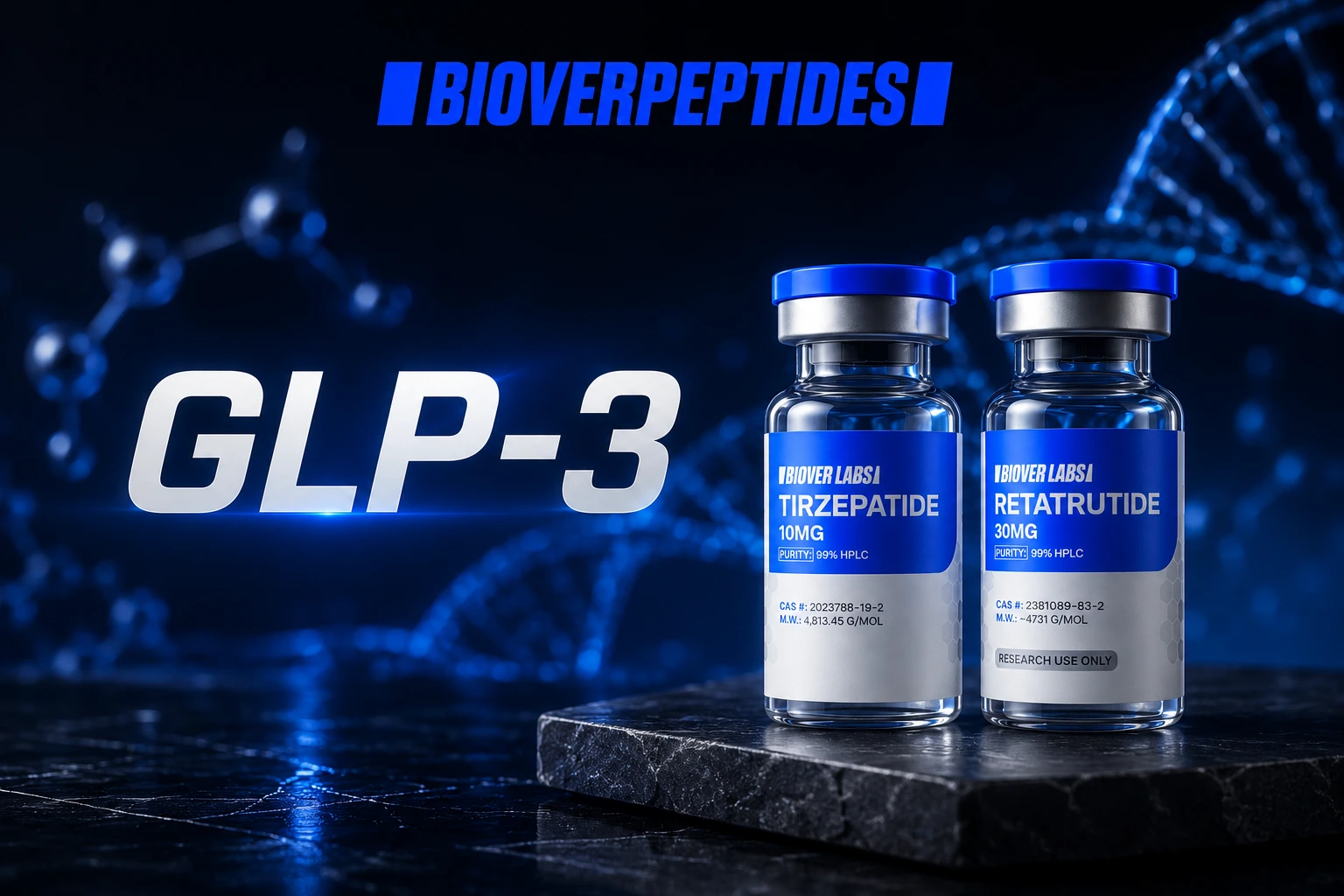
What Is GLP-3? The Next Generation of Metabolic Research
Over the last few years, metabolic research has rapidly evolved beyond traditional appetite and weight management discussions. Researchers are now exploring a new generation of signaling pathways and compounds designed to better understand how the human body regulates hunger, satiety, energy balance, and metabolic efficiency.
Among the most discussed topics in modern metabolic science is GLP-3.
While many people are already familiar with GLP-1 related research, GLP-3 is increasingly becoming a topic of interest among researchers studying advanced metabolic signaling and next-generation appetite regulation pathways.
But what exactly is GLP-3?
Why are researchers paying attention to it?
And why has this category become one of the fastest-growing areas in metabolic compound research?
In this article, we’ll break down the science behind GLP-3, how metabolic signaling works, and why this field is attracting so much attention in modern research environments.
Understanding Metabolic Signaling
To understand GLP-3, it’s important to first understand how the body regulates appetite, energy intake, and metabolic balance.
The human body constantly communicates through signaling molecules and hormonal pathways. These pathways help regulate:
Hunger levels
Satiety signals
Blood glucose balance
Energy expenditure
Digestive speed
Food-related reward responses
For decades, researchers focused heavily on calorie intake alone. However, modern metabolic science now recognizes that appetite regulation is significantly more complex than simple willpower or calorie counting.
The body contains highly sophisticated signaling systems designed to influence how often we think about food, how quickly we feel full, and how the brain responds to eating behaviors.
This is where GLP-related pathways become especially important.
What Is GLP-3?
GLP-3 refers to an emerging category of metabolic signaling research associated with advanced appetite-regulation mechanisms and next-generation metabolic pathway exploration.
Researchers studying GLP-based compounds are particularly interested in how these pathways may influence:
Satiety signaling
Food focus and cravings
Gastric emptying
Metabolic efficiency
Energy regulation
Long-term appetite behaviors
Unlike older metabolic approaches that focused primarily on stimulants or aggressive appetite suppression, modern GLP-related research is increasingly centered around signaling optimization.
This is a major shift in the industry.
Rather than artificially forcing energy expenditure, researchers are exploring how the body’s own signaling systems may influence behavior, appetite patterns, and metabolic responses more naturally.
Why Are Researchers Interested in GLP-3?
One of the biggest reasons GLP-3 research has gained attention is because many researchers believe traditional weight-management methods often fail to address the neurological and behavioral side of appetite regulation.
For example, many individuals describe experiencing what is now commonly referred to as “food noise.”
Food noise is a term used to describe constant thoughts about eating, snacking, cravings, or food-related reward behaviors throughout the day.
Researchers have become increasingly interested in how metabolic signaling pathways may influence this experience.
Instead of focusing only on physical hunger, newer research now examines:
Behavioral eating patterns
Reward-system signaling
Satiety perception
Craving frequency
Meal satisfaction duration
This represents a much more advanced and holistic approach to metabolic science.
The Shift Away From Stimulant-Based Approaches
Older appetite-focused products often relied heavily on stimulants.
These approaches typically attempted to suppress hunger by increasing adrenaline-like responses or overstimulating the nervous system.
However, stimulant-heavy strategies frequently produced unwanted outcomes such as:
Energy crashes
Jitters
Sleep disruption
Increased anxiety
Short-term effectiveness
Modern metabolic research is moving toward signaling-based approaches instead.
Researchers are increasingly exploring how appetite regulation may be influenced through biological communication systems rather than aggressive stimulation.
This is one reason GLP-related research has become such a rapidly growing field.
Appetite Regulation Is More Complex Than Most People Think
One of the most important discoveries in modern metabolic science is that appetite is not simply controlled by “discipline.”
Multiple biological systems influence eating behavior simultaneously.
These include:
Hormonal signaling
Reward pathways
Stress responses
Sleep quality
Digestive signaling
Dopamine-related behaviors
Satiety communication
This explains why some individuals report constantly thinking about food even when caloric intake is already sufficient.
Researchers studying GLP pathways are particularly interested in understanding how these communication systems interact with the brain and digestive system together.
Why Metabolic Research Is Evolving So Quickly
The rapid growth of GLP-related research reflects a broader shift happening across the entire health and wellness industry.
Modern researchers are increasingly focused on:
Precision-based metabolic research
Long-term sustainability
Behavioral appetite patterns
Signaling efficiency
Advanced compound development
As scientific understanding improves, researchers are moving beyond simplistic “eat less” approaches and exploring much deeper biological mechanisms.
This has opened the door for entirely new categories of research compounds.
The Importance of Conservative Research Protocols
One topic frequently discussed in metabolic research communities is protocol management.
Researchers consistently emphasize the importance of conservative and controlled approaches when evaluating metabolic compounds.
This includes factors such as:
Gradual protocol adjustments
Observation periods
Individual variability
Tolerance differences
Research environment consistency
One of the most common themes across modern metabolic research is that responses may vary significantly depending on the individual.
This is why serious research environments prioritize structure, precision, and consistency over exaggerated claims or unrealistic expectations.
Why Research Quality Matters
As interest in metabolic compounds grows, researchers are becoming increasingly selective about sourcing and quality standards.
Serious research environments often prioritize:
Purity verification
Laboratory testing
Research documentation
Reliable handling protocols
Consistent manufacturing standards
In modern metabolic research, compound quality is considered one of the most important variables.
Researchers increasingly prefer brands and suppliers that focus on transparency, consistency, and research-grade standards rather than hype-driven marketing.
The Future of GLP-3 Research
Although GLP-3 remains an evolving area of study, interest in this category continues to grow rapidly.
Researchers are particularly interested in how advanced metabolic signaling may influence:
Long-term appetite behavior
Satiety perception
Energy regulation
Behavioral eating patterns
Metabolic efficiency
As the field continues to develop, it’s likely that metabolic research will move even further toward precision-based signaling approaches rather than traditional stimulant-heavy methods.
This shift represents one of the most significant changes modern metabolic science has seen in years.
Final Thoughts
GLP-3 research represents a new generation of metabolic exploration focused on signaling, appetite regulation, and advanced metabolic communication pathways.
Rather than relying on outdated approaches centered around extreme stimulation or short-term suppression, modern researchers are increasingly exploring how biological signaling systems influence appetite, cravings, satiety, and metabolic behavior over time.
As interest in precision metabolic research continues to expand, GLP-related pathways will likely remain one of the most important areas of scientific attention in the years ahead.
At BioverLabs, we believe modern research begins with precision, transparency, and research-focused standards designed for advanced laboratory environments.
Available in our store

Bpc-157 10mg

Cjc-1295 Dac 10mg
$89.95
DSIP 10mg

Epithalon 10mg
$69.95
Ghk-cu 100mg


